Exit Checklist for Your Property: How to End a Tenancy Smoothly and Prepare Your Tenant
Learn how to guide your tenant and make move-out day stress-free with a clear exit checklist.


Learn how to guide your tenant and make move-out day stress-free with a clear exit checklist.
Ending a tenancy is one of the most important points in the rental cycle. It’s the moment when your tenant hands back your property, you assess its condition, and both sides finalise their obligations. With the right process, it becomes simple and predictable. Without it, things can feel rushed, confusing or confrontational.
A clear exit checklist protects your investment, helps tenants understand what’s expected, and keeps communication direct, something renters consistently say creates a more positive experience with their landlord.
Whether a tenancy is ending naturally, being renewed, or finishing early, the key is preparation.
A tenancy ends when either you or the tenant gives written notice. This applies whether the fixed term is ending, the tenancy is rolling over, or the tenant simply chooses not to renew.
The landlord or property owner should always notify a tenant when their rental agreement is nearing its end. If you don’t offer a renewal or extension, the tenant will need to move out by the agreed date. If the tenant notifies you that they intend to leave, your role is to acknowledge it quickly and outline what happens next.
If the tenant decides to leave before the end of the agreement, the process becomes more detailed. Depending on the situation, there may be break fees, advertising costs, or rent obligations until a replacement tenant is found. Regardless of the scenario, clarity is essential. Always document and align communication with the lease terms.
Once notice is confirmed, the move-out process begins. This is when your exit checklist becomes the anchor for everything that follows.
Your exit checklist is the foundation of a smooth transition. It sets out the tasks your tenant needs to complete before handing back the property. When done well, it eliminates guesswork and prevents disputes.
A comprehensive exit checklist usually covers the following responsibilities:
Your expectations must always be reasonable, lawful, and grounded in the original condition of the home.
You can reasonably ask your tenant to:
You cannot ask them to:
The principle is simple: tenants must return the property in the same condition it was provided in, taking into account fair wear and tear. Anything beyond that is your responsibility.
A clear step-by-step process makes the experience smoother for you and your tenant. Here’s the ideal flow:
Once a written notice is given, send a formal confirmation. Include the vacate date, attach your exit checklist, and outline what will happen in the lead-up to move-out.
Many issues arise because tenants simply aren’t sure which standard is required. A quick message 5–7 days before the vacate date helps you both avoid stress. You can clarify questions about cleaning, outdoor areas, or repairs before they become bigger problems.
Once the tenant has vacated, meet them (or arrange a secure drop-off) to collect keys, remotes, and access devices. This marks the point where the home formally returns to you.
Using the entry condition report as your guide, walk through the property and assess its cleanliness, condition, and any changes that have occurred. Document everything clearly with photos and notes.
If cleaning has been missed or damage identified, communicate it respectfully and provide evidence. Most disagreements are resolved quickly when explanations are factual and supported by photos.
If the property has been returned in good condition, lodge the bond refund promptly. If deductions are needed, outline them with supporting documentation and allow the tenant to discuss them. Clear, fair explanations usually lead to agreement.
Confirm rent has been paid to the end, ensure utilities have been closed, organise any follow-up repairs if required, and safely store all documentation for future reference.
Most move-out issues stem from unclear expectations and poor communication. You can prevent almost all of them by:
Tenants appreciate having plenty of notice about what is required before they move out. Clear instructions given weeks in advance, rather than days, give them enough time to plan cleaning, repairs, rubbish removal and utility closure.
Many tenants are not always sure what returning the property in good condition actually looks like. Providing the original condition report with photos gives them a clear visual example to follow.
A brief message a few days before handover can prevent small issues from becoming larger ones. This check-in gives tenants the opportunity to ask questions about anything they are unsure of, whether it is the garden, cleaning expectations or how to return the keys.
Throughout the move-out process, thorough documentation protects both you and your tenant. Photos, notes and dated messages create a clear and factual record that can resolve misunderstandings quickly. If questions arise during the bond process, detailed documentation makes the outcome more transparent and easier to navigate.
A firm but fair tone encourages cooperation. Even when issues appear, staying calm and factual leads to faster resolutions and avoids unnecessary tension. When tenants feel respected, they are more willing to work with you, which creates a more positive end-of-tenancy experience for everyone.
A smooth exit comes down to structure, clarity and consistency. When you have a clear checklist, a predictable process and open communication, tenants know exactly what to do, and you avoid unnecessary disputes.
Ending a tenancy shouldn’t feel chaotic but it should feel like a well-run system that protects your property and maintains your reputation as a professional, organised landlord.
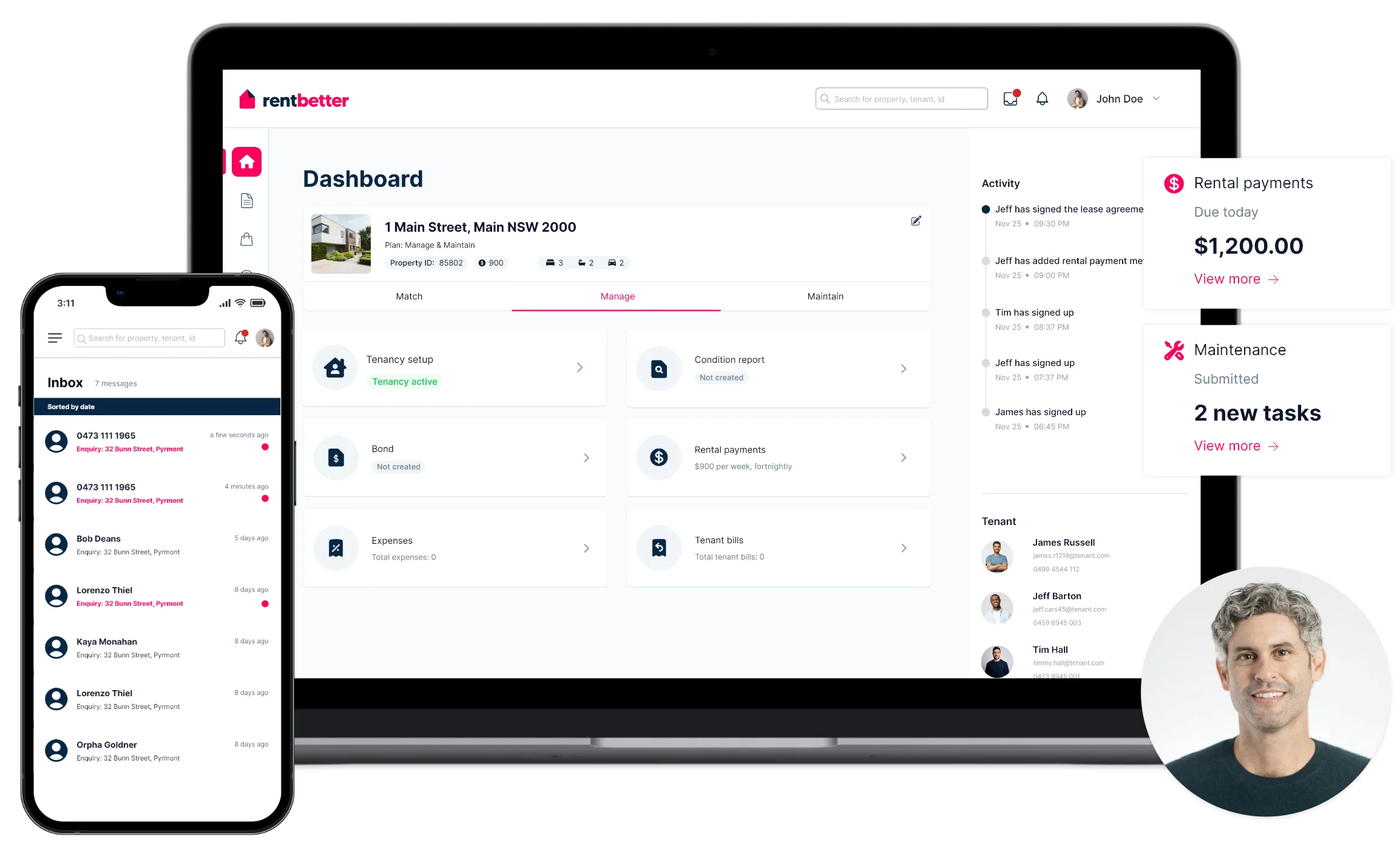
RentBetter helps you stay organised from the day a tenant moves in to the day they hand back the keys. You can manage condition reports, store photos and documents, track rent and bond details, and keep all communication in one place.
Our platform provides the structure and tools to run your property professionally while maintaining the personal, direct relationship that tenants value. If you want a simpler and more confident way to manage your rental, RentBetter is built to support you at every step.
Learn how the RentBetter platform can help you self-manage your rental property. Register below to watch the demo video.